












Three key factors for maximum performance in a triathlon long distance race
Electrolytes
Electrolytes influence the transport of nutrients and their end products into and out of the cell. They stabilise the pH value, influence the heart and muscle functions and improve the heat tolerance as well as the performance capacity. Sodium is a key element in the transport of liquid and is mainly lost by sweating. The sodium loss is individual for every athlete and can vary within a range of 400–1600 mg per liter of sweat. In case of high level performance and of heat, a targeted electrolyte loading is recommended during the preparation phase already. Activities in the heat or longer than 2–3 hours require a targeted sodium, respectively electrolyte supply.
Hydration
If a dehydration is not compensated, serious consequences will occur:
• stomach problems
• lower effort tolerance
• increase heart rate
• disturbed heat regulation
• decreased mental function
• negative influence on motor functions
• increased risks of spasms
Energy
Carbohydrates are one of the most important sources of energy in endurance sport. A targeted carbohydrate intake is essential for activities lasting more than 90 minutes in order to maintain the performance level. Sport drinks, gels and bars are confirmed carbohydrate sources. They are often used in combination depending on duration, intensity and personal preferences. The higher the intensity and the longer the activity, the more crucial is their digestibility.
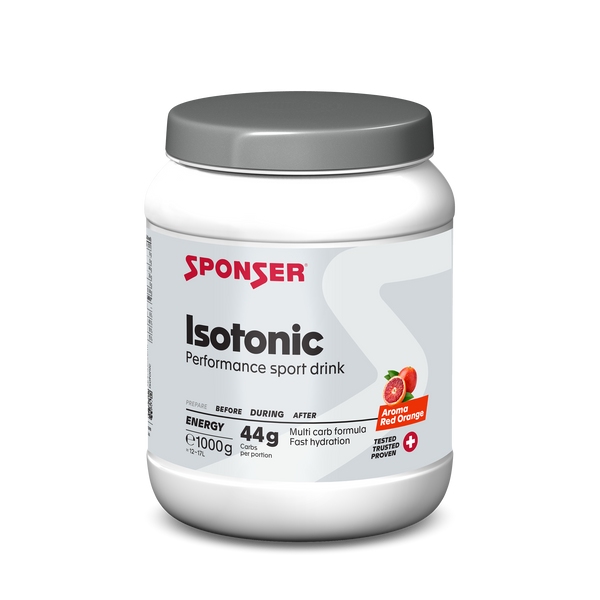
• Sports drinks deliver well tolerated, easily digestible carbohydrates enriched with electrolytes.
• Gels provide quickly available carbohydrates.
• Bars support the function of the gastrointestinal tract and are best suited for lower intensities and longer distances.
Pay attention to regular energy supply. For optimal performances we recommend dosages of 60–80 g carbohydrates per hour.
Related articles
on
» endurance performance
on
» fluids
on
» infographic
on
» race nutrition